







People are exhausted in ways traditional holidays are no longer fixing. For a long time, luxury travel was often shaped around the idea of doing more, albeit in comfort. Maybe more reservations, sightseeing, activities, and experiences carefully packed into a few days away. Holidays slowly became tightly packed schedules that feel like extensions of already hectic lifestyles, often returning people home feeling physically tired rather than genuinely restored. Increasingly, travellers are moving away from that model altogether. The rise of recovery-focused travel reflects a broader shift in how people now think about rest, wellbeing, and even luxury itself.
Particularly among modern luxury travellers, recovery is no longer limited to spa treatments or post-burnout escapes but has become emotional, nervous-system related, digital, environmental, seasonal, and even social. As part of evolving wellness travel trends 2026, travellers are consistently prioritising experiences that feel restorative and soothing.
People are becoming more aware of the quieter forms of exhaustion created by:
- hyper-productivity culture
- constant connectivity
- overstimulation from cities and screens
- social media fatigue
- the pressure to remain perpetually available and engaged
The growing conversation around overstimulation and modern travel is also changing how people choose to experience holidays and luxury escapes. And as a result, travel itself is beginning to change too. Rather than holidays that leave them needing another break afterwards, travellers are increasingly seeking environments that genuinely allow the body and mind to recalibrate.
Why Summer Travel Is Becoming More Restorative
For many people, summer no longer represents constant activity alone and has become an opportunity to step away from overheated cities, crowded itineraries, endless notifications, and the mental fatigue that often accumulates quietly throughout the year. The appeal of slower travel now lies not in doing less for the sake of it, but in feeling better afterwards.
Travellers are increasingly prioritising:
- meaningful quiet
- slower mornings
- restorative wellness experiences
- nature immersion
- intentional routines
The modern luxury traveller is also becoming less interested in exaggerated wellness experiences and more interested in how a place actually makes them feel. A good stay is no longer only about aesthetics or activity, but about the emotional quality of the environment itself, and perhaps that is why destinations shaped by nature are resonating so deeply right now, especially with the rise of digital detox luxury retreats.
A Slower Sensory Escape in the Himalayan Foothills
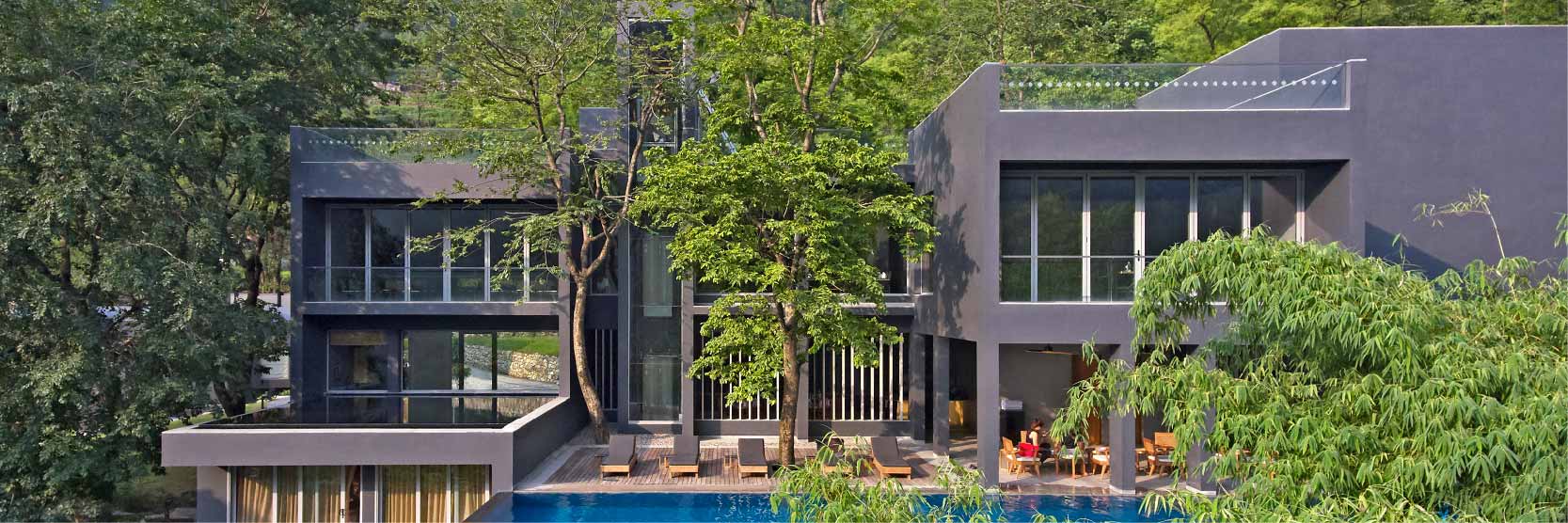
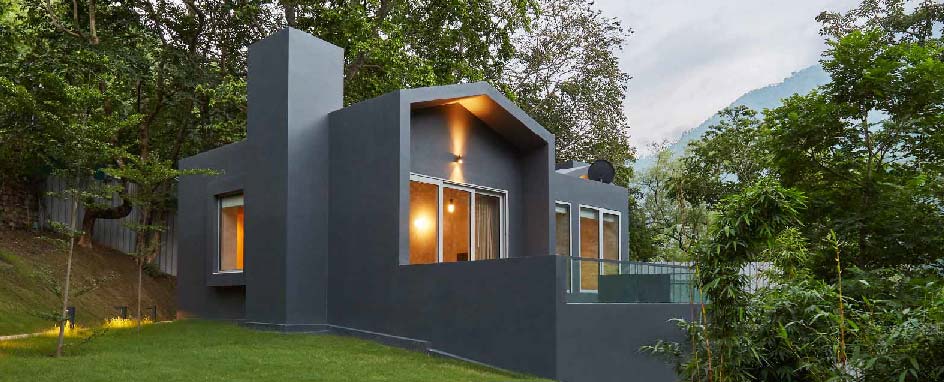
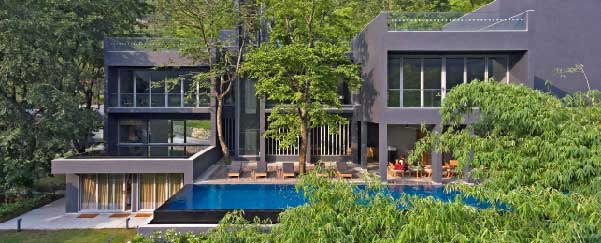
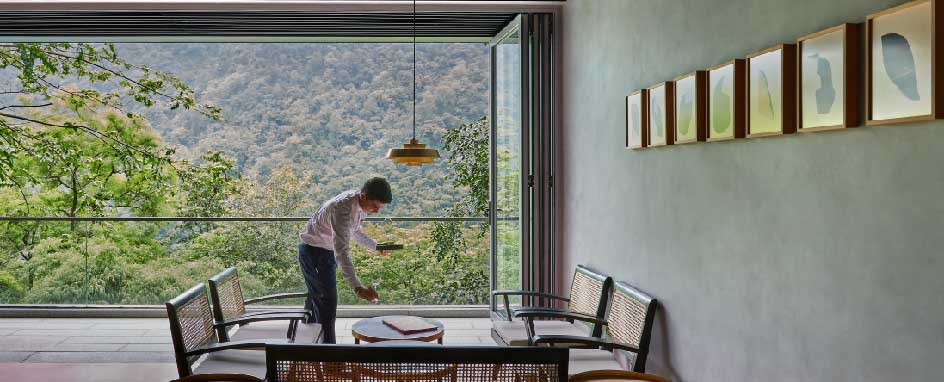
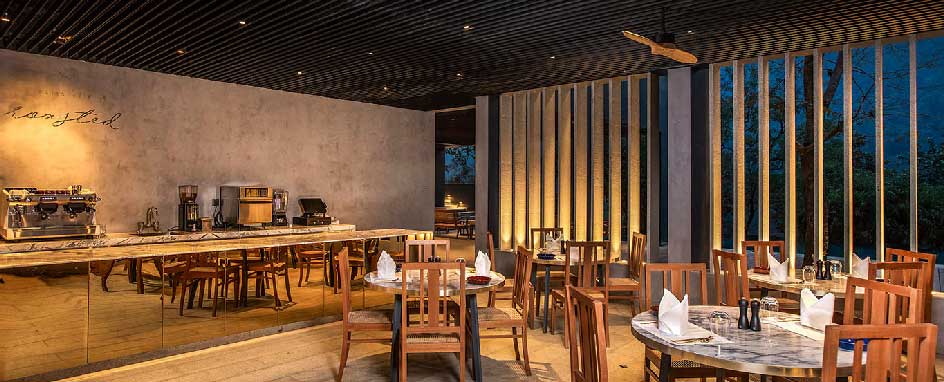
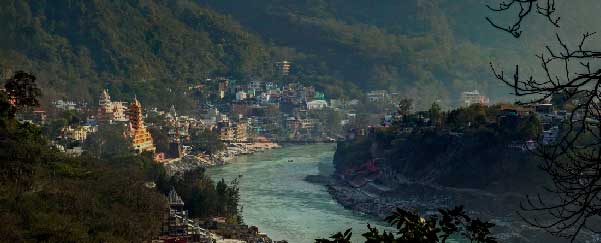
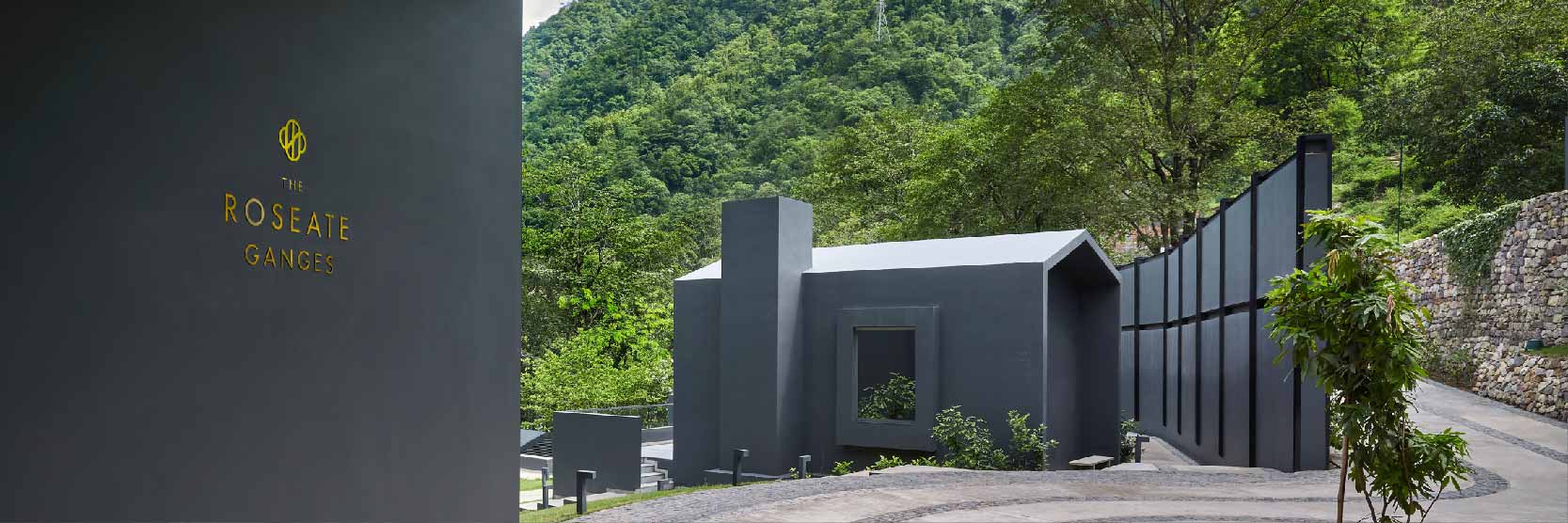
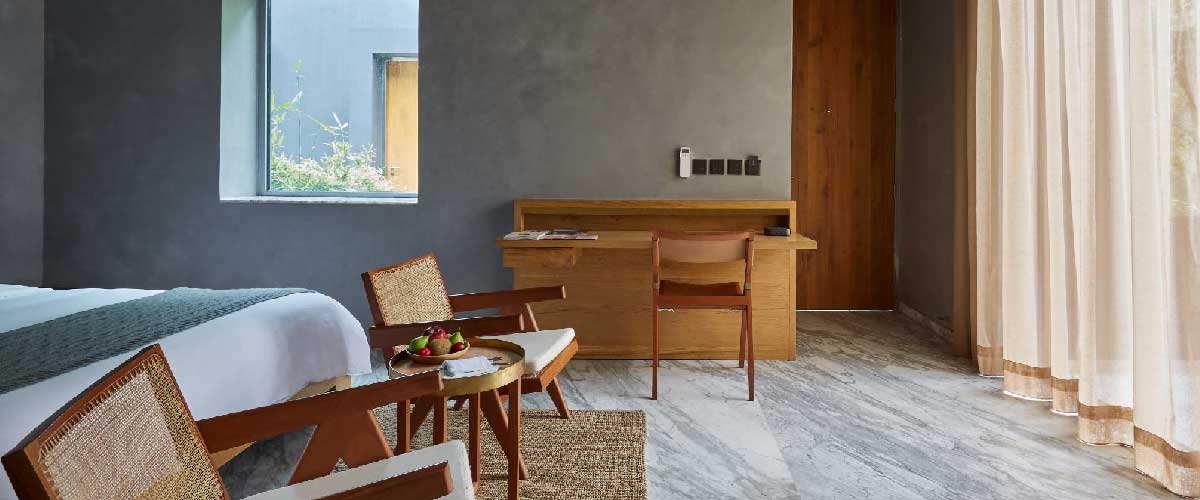
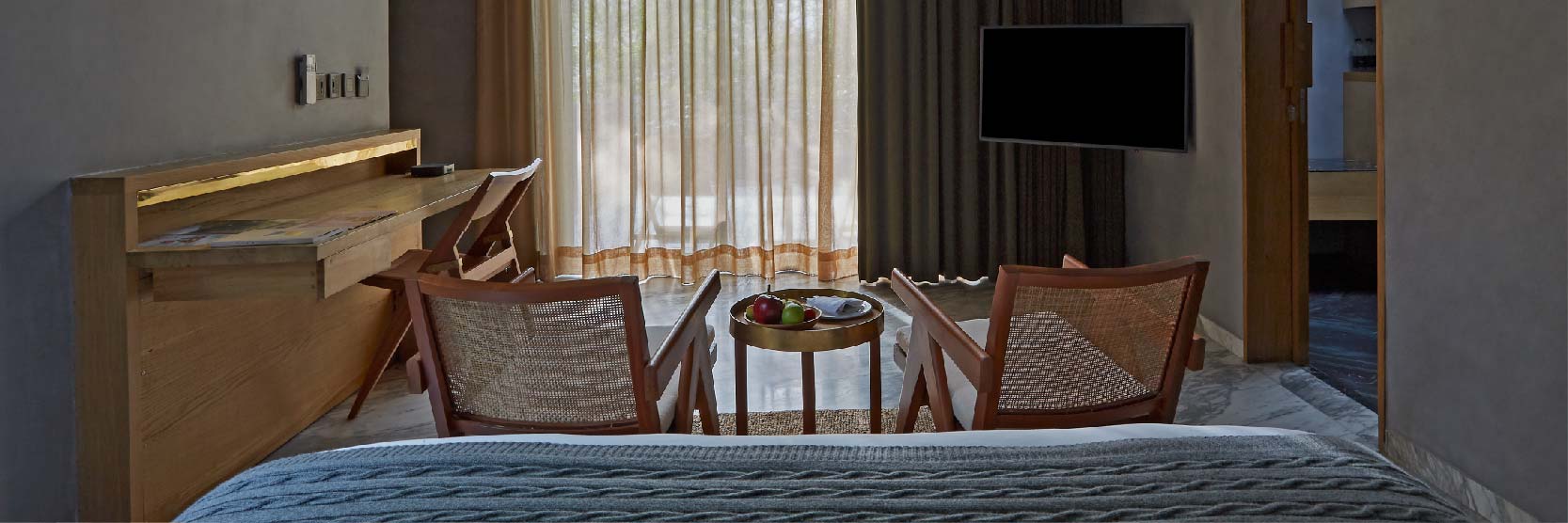
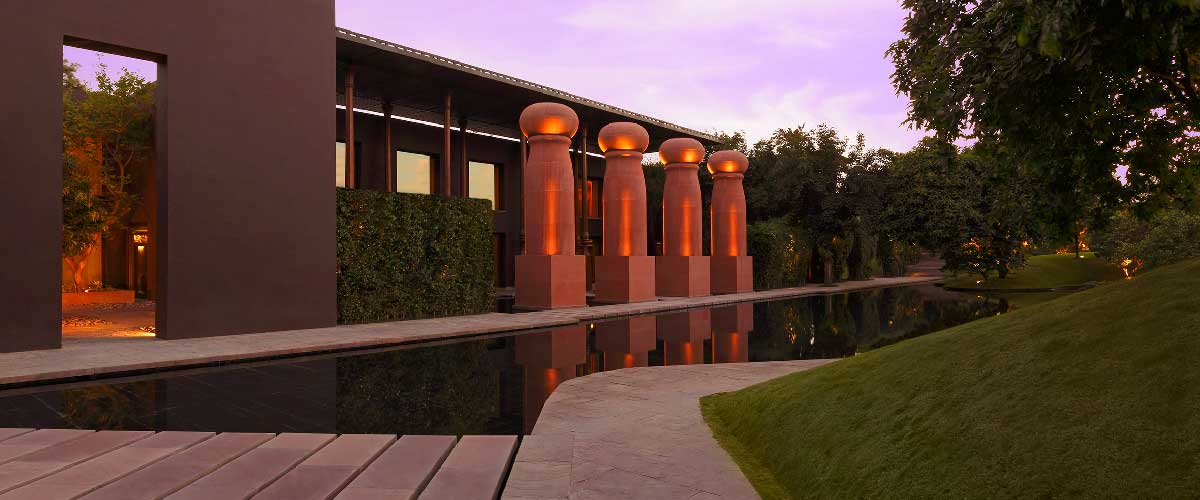
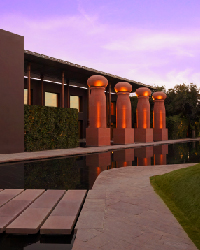
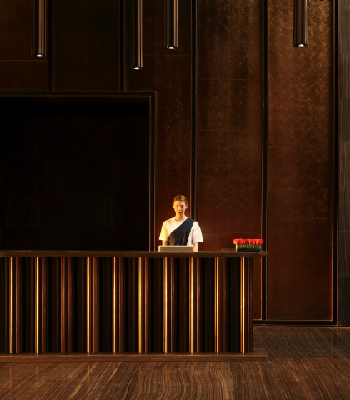
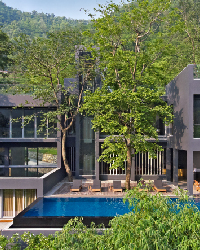
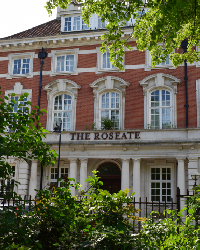
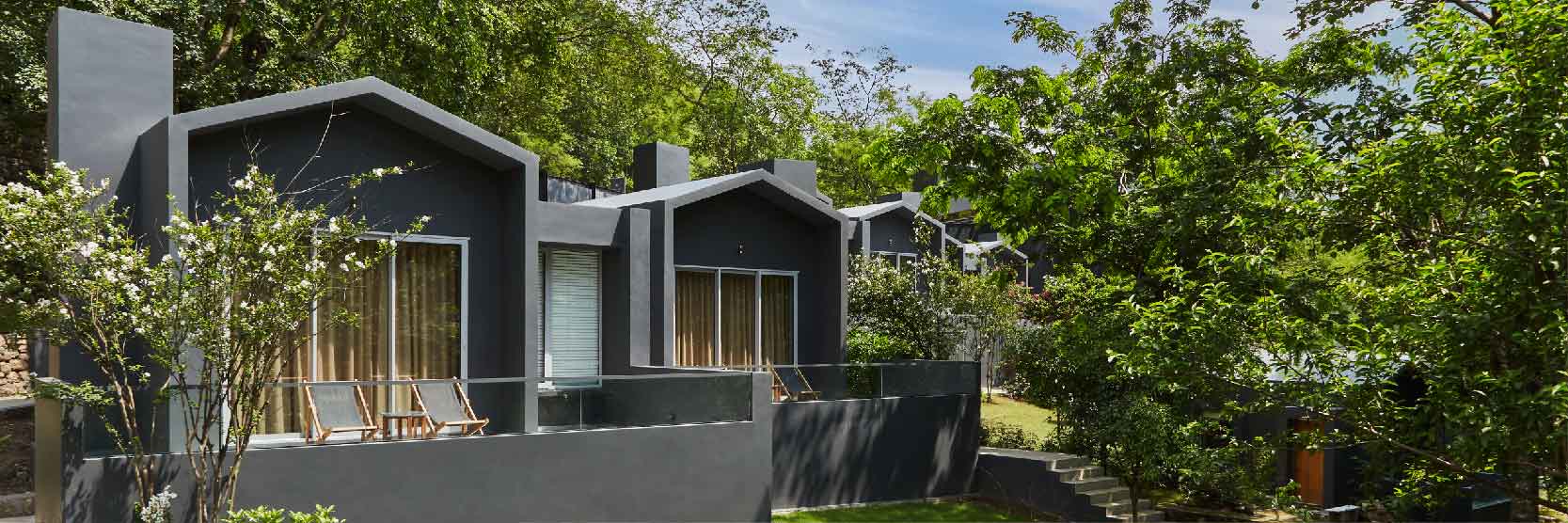
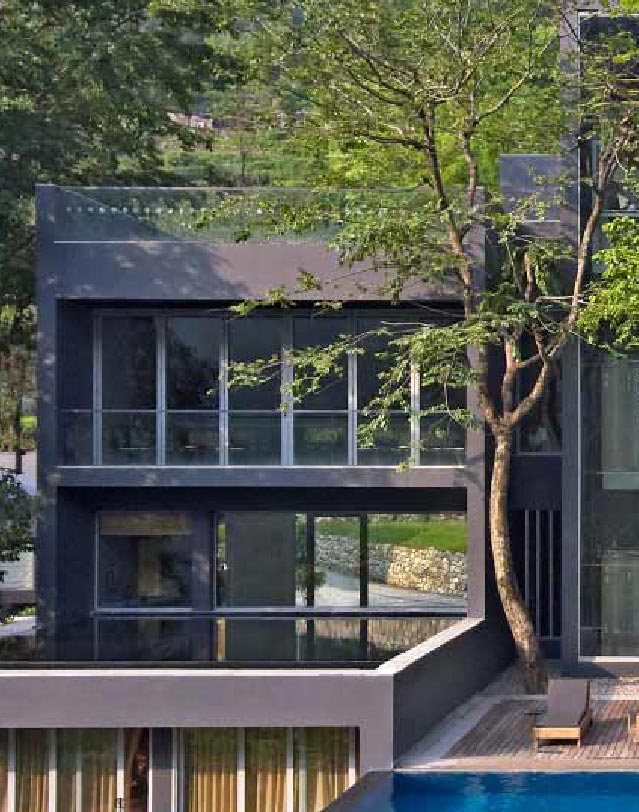
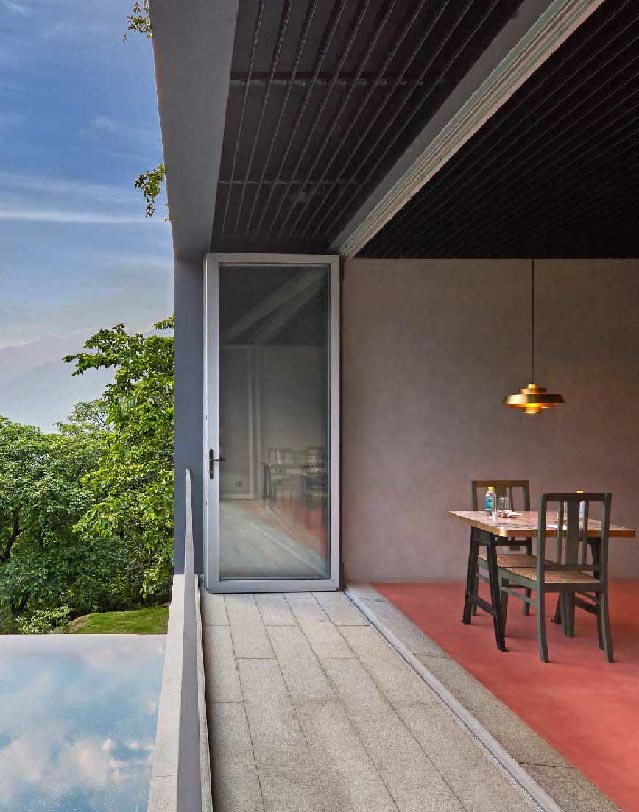
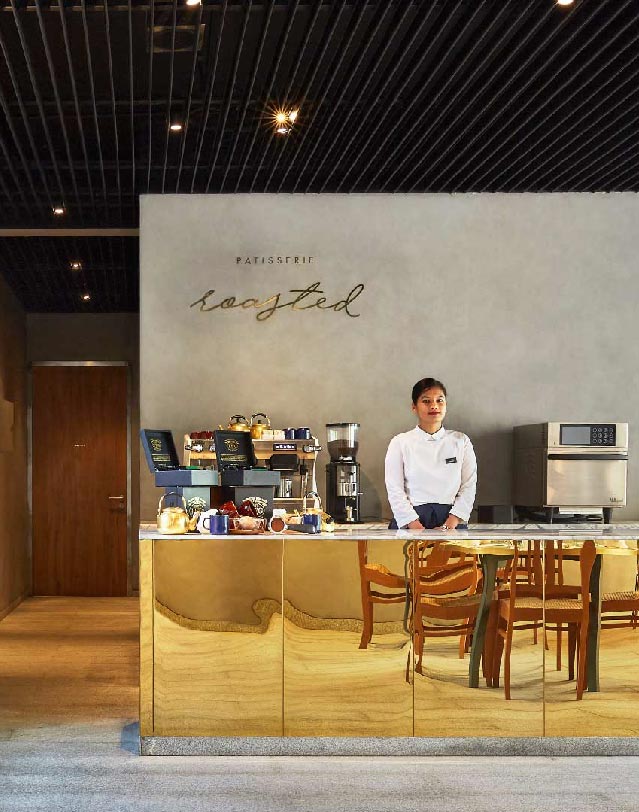
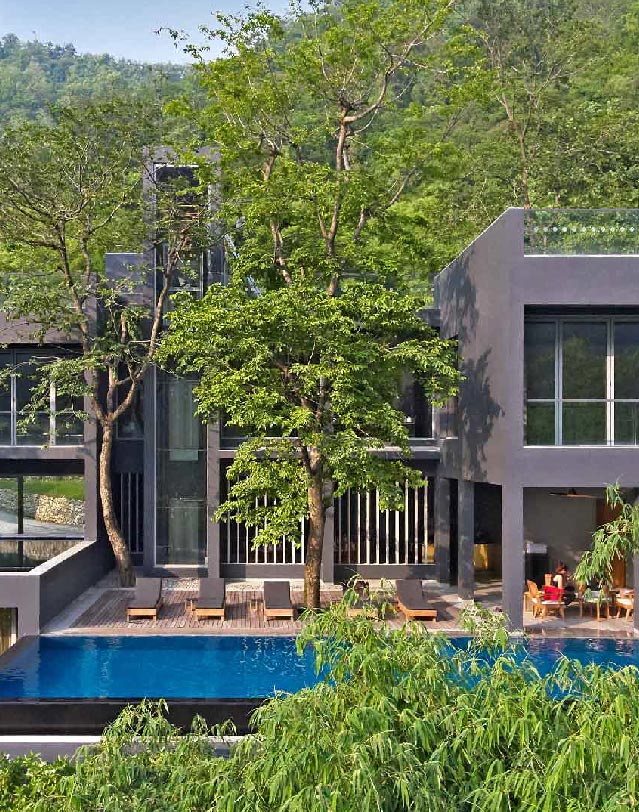
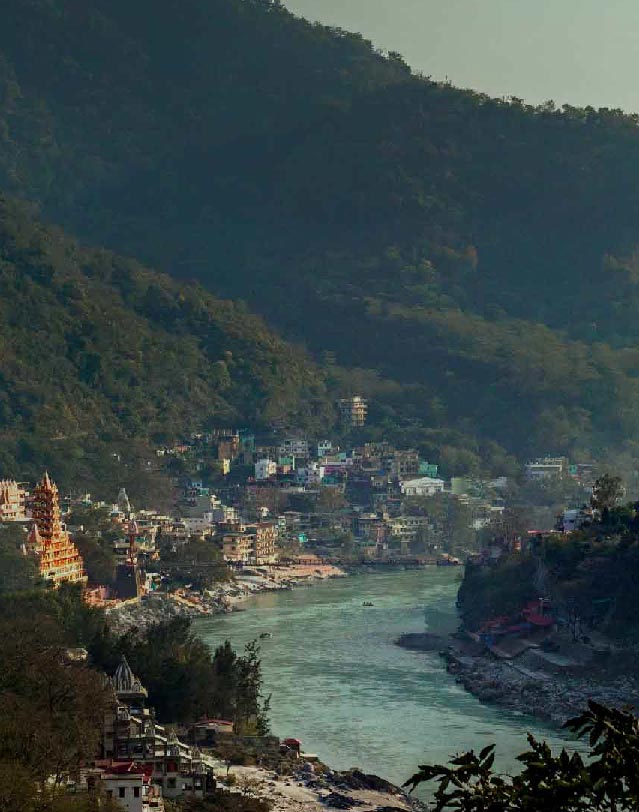
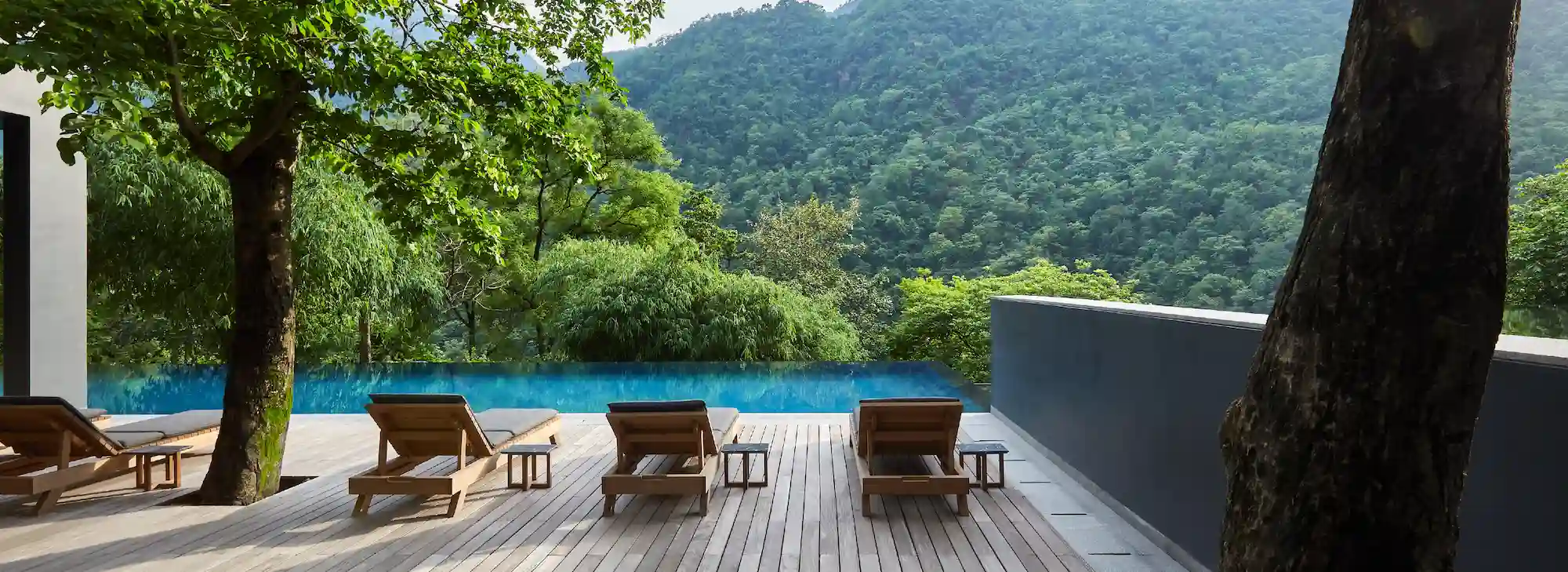
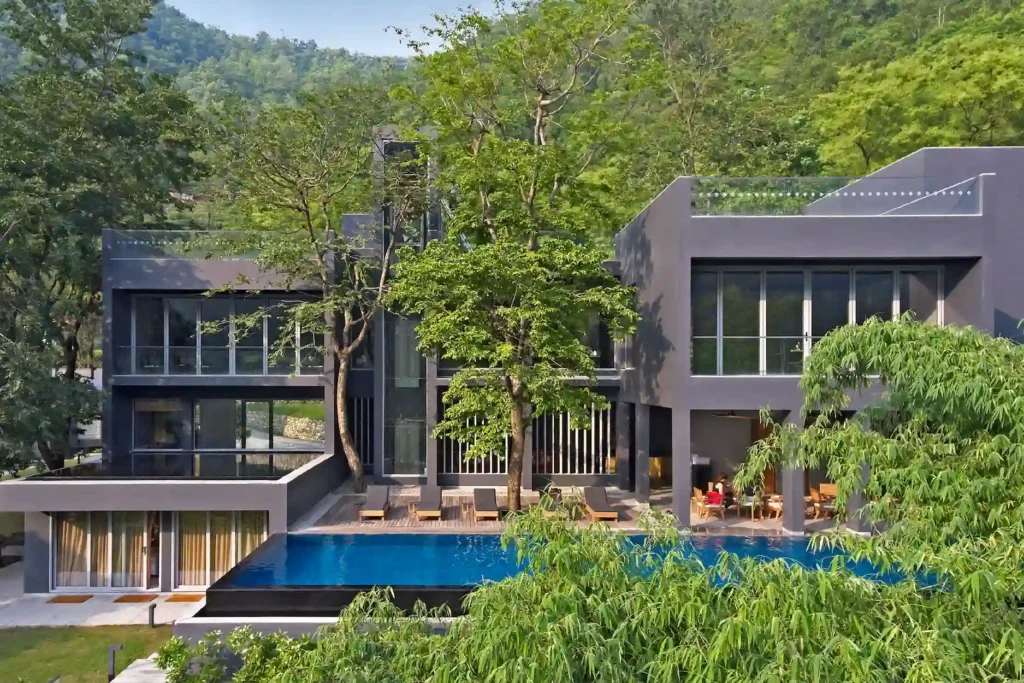
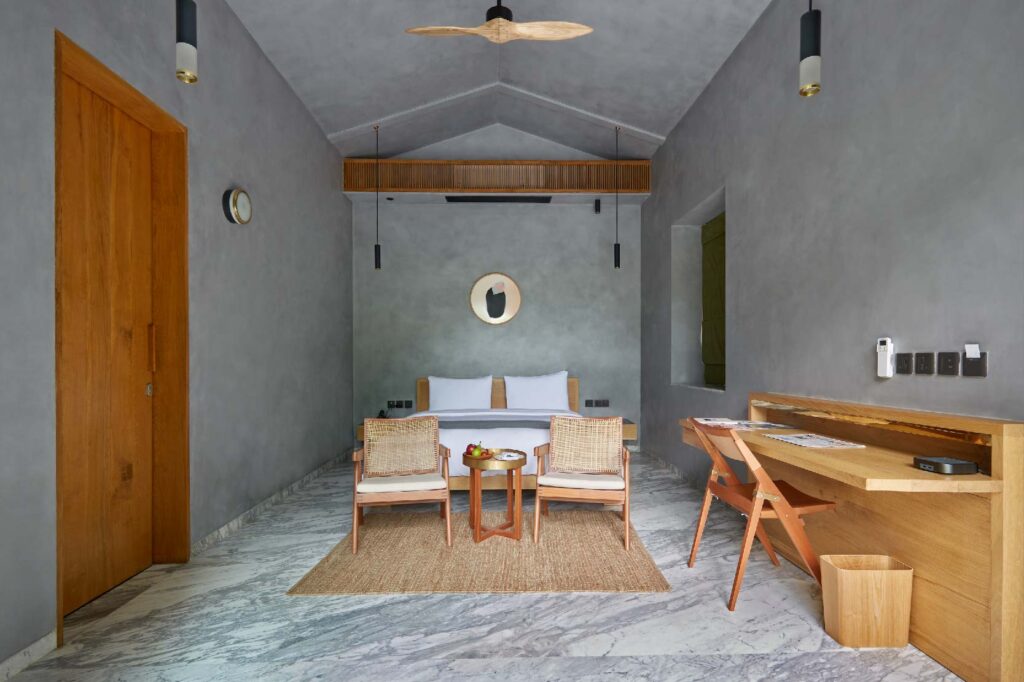
Set amidst the Himalayan foothills in Rishikesh, The Roseate Ganges offers the kind of slower sensory environment travellers are increasingly seeking during summer escapes. As a luxury wellness retreat in Rishikesh, surrounded by forested landscapes, cooler mountain air, and the quiet movement of the Ganges nearby, the experience naturally encourages a softer pace without needing to overstate itself as a dramatic “escape”. There is a noticeable shift that happens here after the intensity of urban environments. Mornings feel quieter, time moves more slowly, the intentional absence of constant digital and sensory stimulation begins to feel less unfamiliar and more necessary.
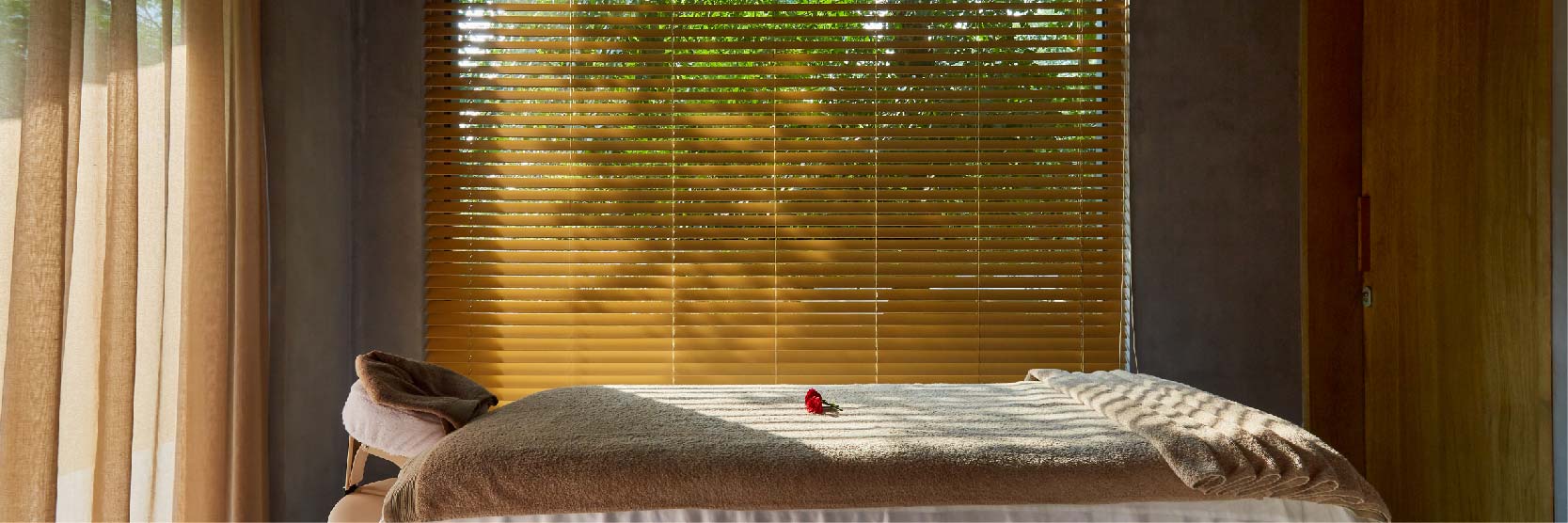
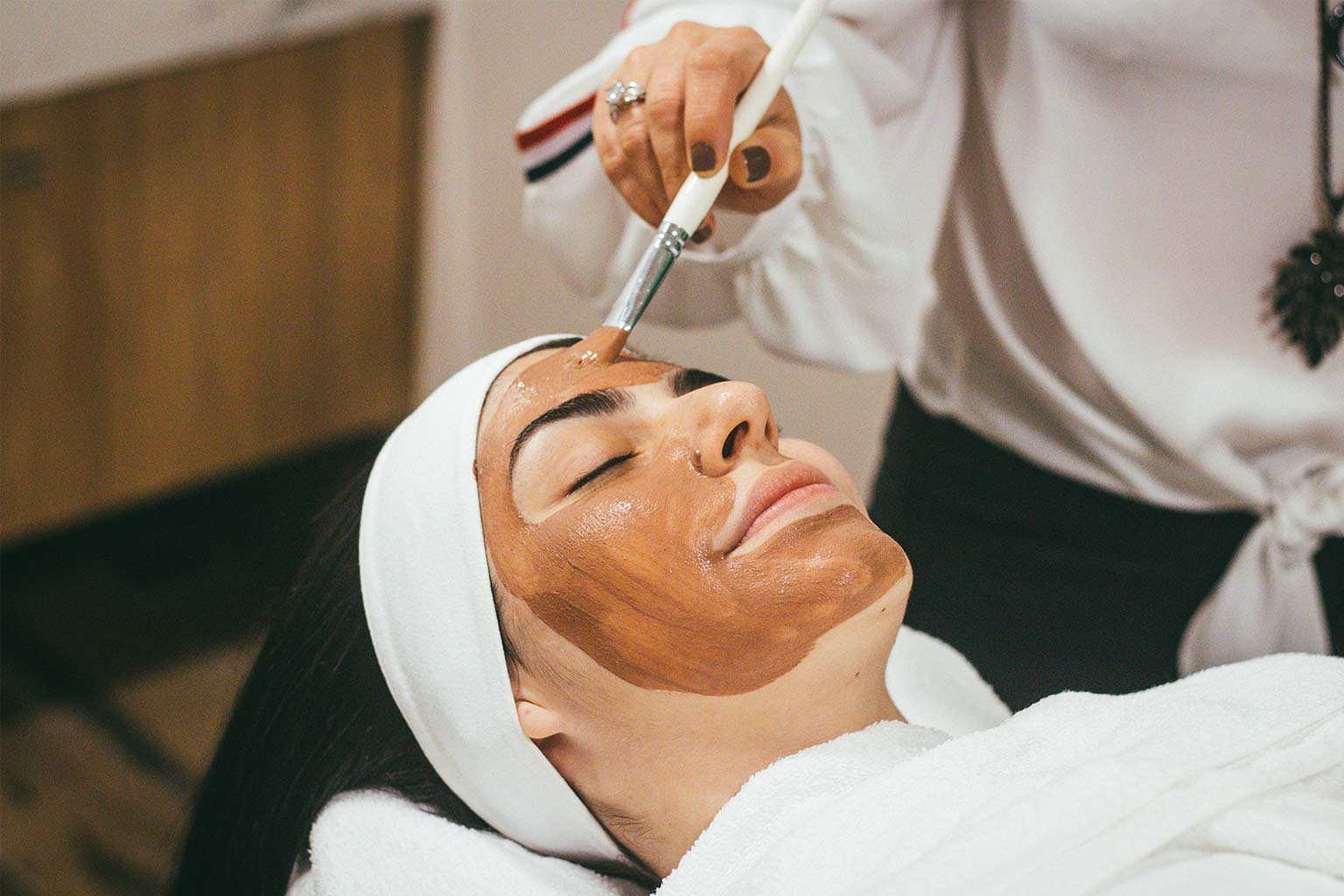
What makes the stay especially meaningful, however, is the property’s approach to holistic wellbeing andwellness focused hospitality. At Aheli Spa, wellness experiences inspired by Shankara are delivered by certified experts from Art of Living, integrating Ayurvedic principles with contemporary wellness practices where the focus is not on quick-fix indulgence, but on the interconnectedness of mind, body, spirit, and environment. This thoughtful approach also positions the experience as an Ayurvedic wellness retreat in India where travellers are increasingly seeking for deeper and more intentional forms of restoration.
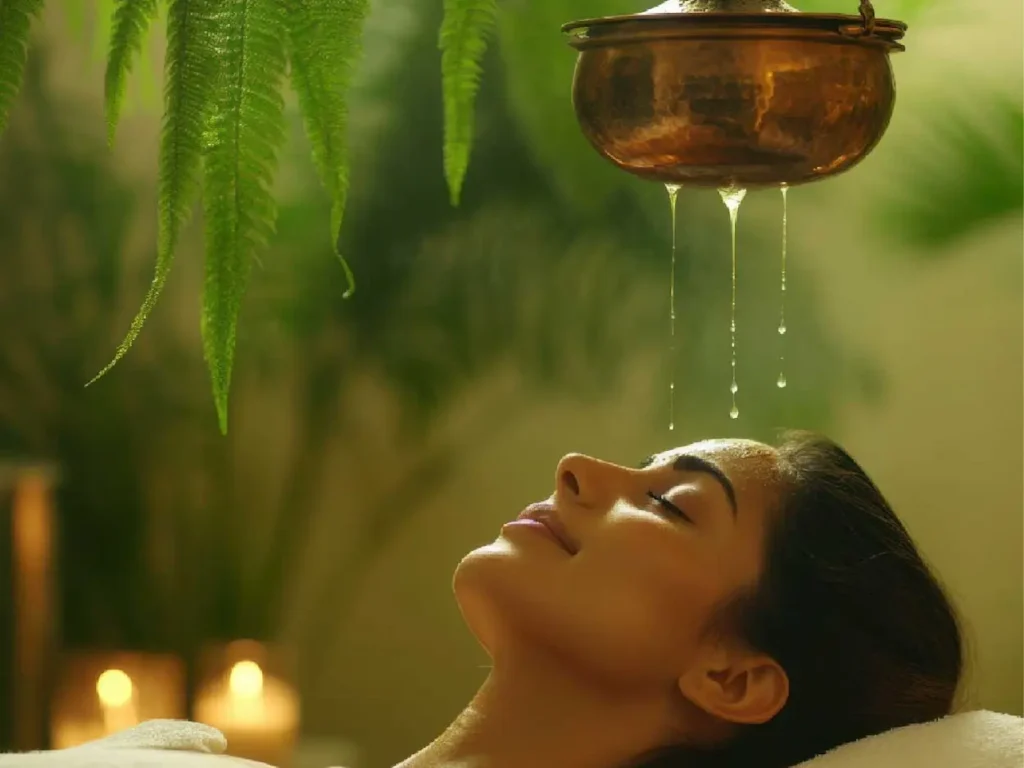
Why Ayurveda Feels Increasingly Relevant Today
Ayurveda itself is also being understood differently by modern travellers today. Rather than being viewed as something purely traditional or overly mystical, it is appreciated for its holistic understanding of balance, rhythm, nourishment, rest, and preventative wellbeing, concepts that feel remarkably relevant in a world shaped by overstimulation and chronic fatigue.
At The Roseate Ganges, recovery extends beyond individual spa therapies into the larger rhythm of the stay itself:
- Curated quieter mornings
- slower movement through the day
- time spent and enjoyed outdoors
- restorative wellness experiences
- moments of stillness without pressure to constantly “do” something
There is also a subtle spiritual undertone to Rishikesh that continues to draw travellers from around the world, though increasingly in quieter and more personal ways. Not necessarily through rigid wellness routines or performative spirituality, but through the simple experience of feeling mentally lighter, physically calmer, and more present within their surroundings.
The New Luxury Is Feeling Rested Again
Perhaps that is why recovery-focused travel resonates so strongly today. People are no longer travelling simply to escape for a few days but travelling in search of restoration, clarity, softness, and a healthier relationship with time itself. The most meaningful summer escapes are no longer always the loudest or the busiest.
At The Roseate Ganges, surrounded by the Himalayan foothills and shaped by a philosophy of holistic wellbeing, that quieter, more restorative version of luxury feels increasingly aligned with how people truly want to travel now.