






























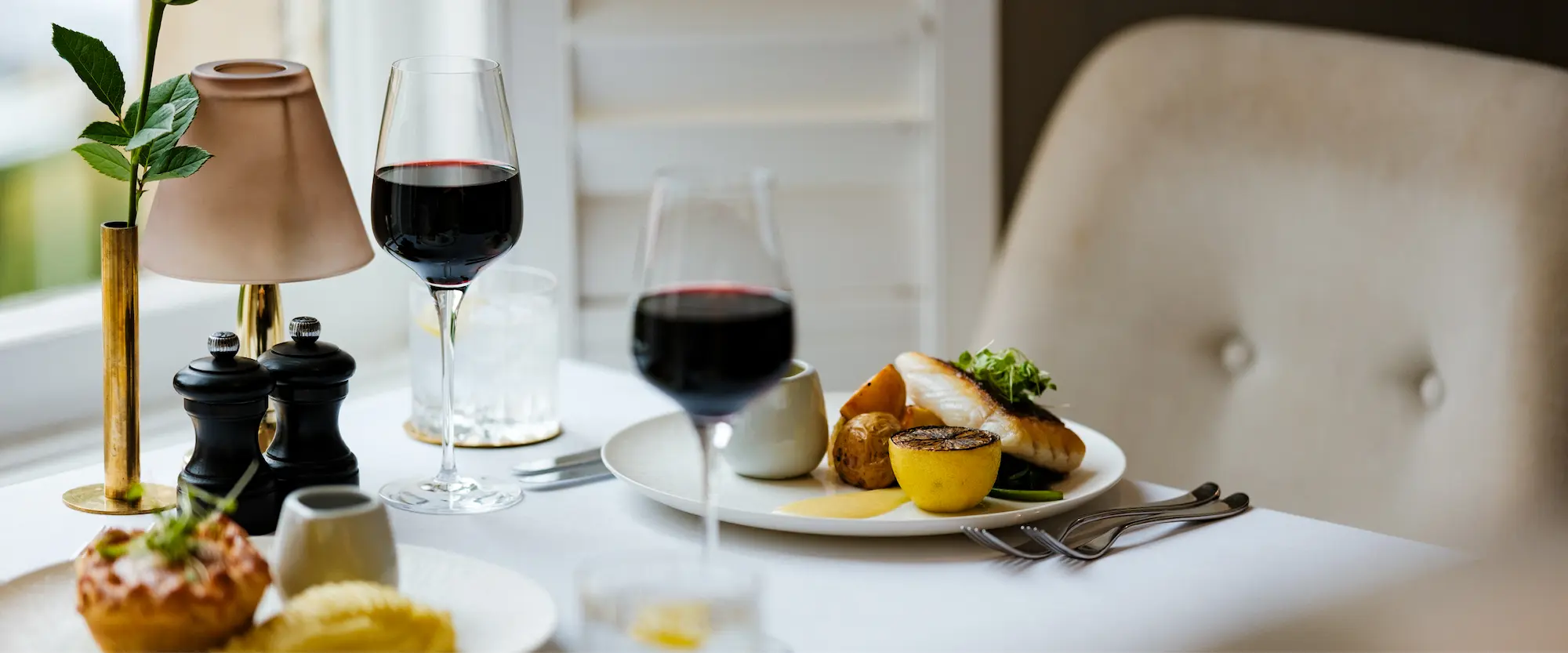
For all the ways modern life has changed, the Sunday roast remains curiously untouched. The endurance of the Sunday roast is particularly fascinating because, technically, it should have faded by now. Contemporary lifestyles are faster, schedules are more fragmented, and dining habits increasingly informal, and yet the ritual persists, almost stubbornly so.
Across Britain, pubs and restaurants still begin filling steadily by midday on Sundays. Families continue organising entire weekends around lunch reservations. Friends travel across counties for tables booked well in advance, knowing the meal will likely stretch far longer than intended. Even on the rainiest Berkshire afternoons, there is something reassuringly familiar about the prospect of hot roast potatoes, Yorkshire puddings, warm gravy, and a table waiting somewhere indoors, also why the traditional British Sunday roast continues to feel emotionally relevant across generations. Perhaps because it answers something modern life increasingly struggles to create naturally- uninterrupted time together and long before “slow living” became a lifestyle aspiration, Britain already had the Sunday roast. Conversations around why do British people love Sunday roasts tend to return not only to the food itself, but to the comfort, ritual, and familiarity surrounding it.
From Farm to Roast: Why Provenance Matters More Than Ever
Part of the Sunday roast’s renewed cultural relevance also lies in how people now think about food itself too.
Diners are now interested not only in flavour, but equally in provenance- where ingredients are sourced from, how produce is grown, which farms, fisheries, and local suppliers sit behind the plate in front of them. Across Britain, there has been a noticeable return towards seasonal produce, countryside dining culture, and a deeper appreciation for traditional British cooking rooted in locality. This wider movement reflects the return of traditional British dining, albeit approached with a more contemporary awareness around sustainability, sourcing and seasonality. It is visible in the renewed fascination with farm shops, regional produce, and the quieter realities of British agriculture entering mainstream conversation again with shows like Clarkson’s Farm. Diners are paying closer attention to the journey between land and table, and traditional dishes like the Sunday roast have naturally become part of that shift. Conversations around what makes a good Sunday roast in Reading now extend beyond flavour alone towards ingredient quality, seasonality, atmosphere and thoughtful preparation.
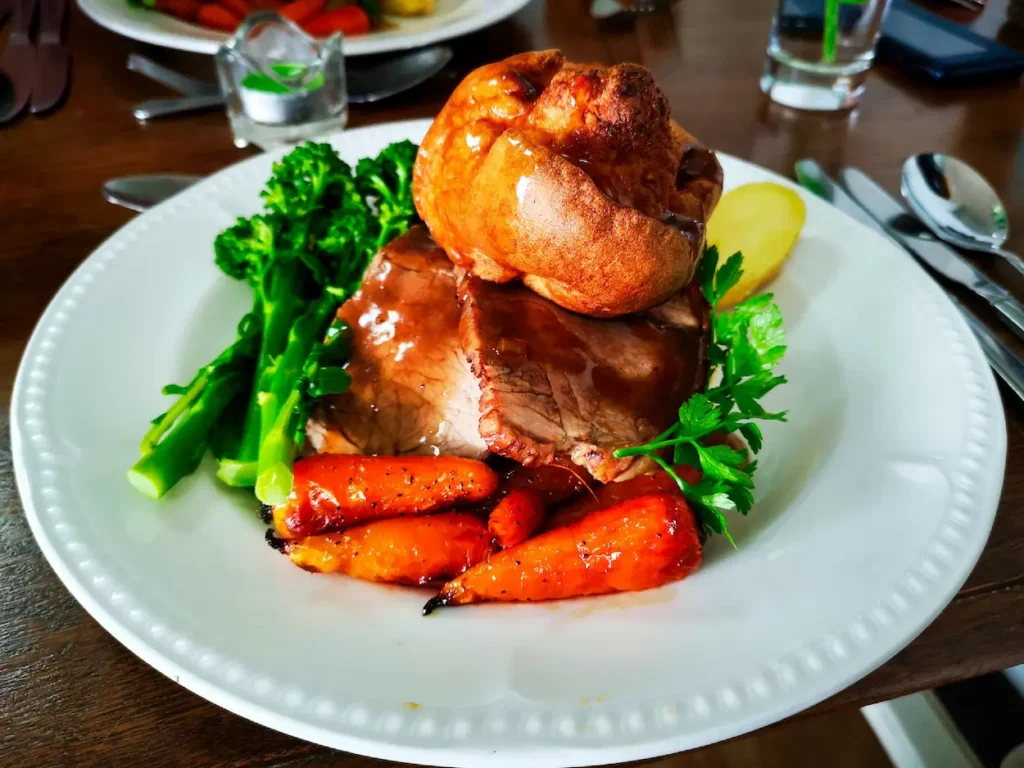
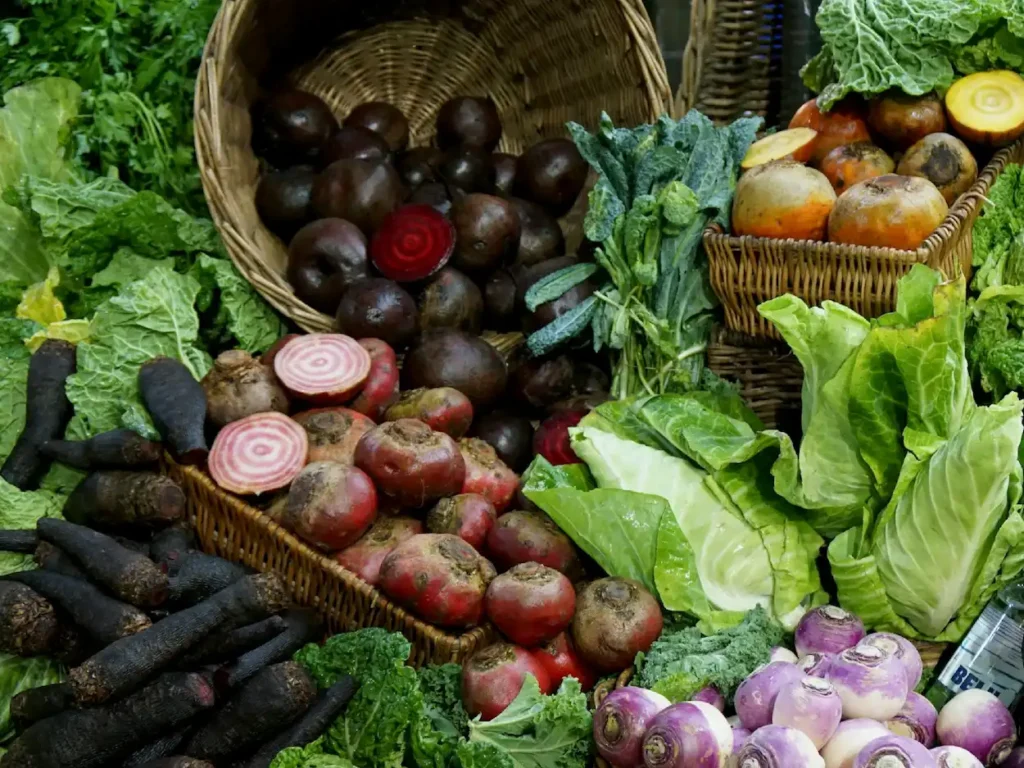
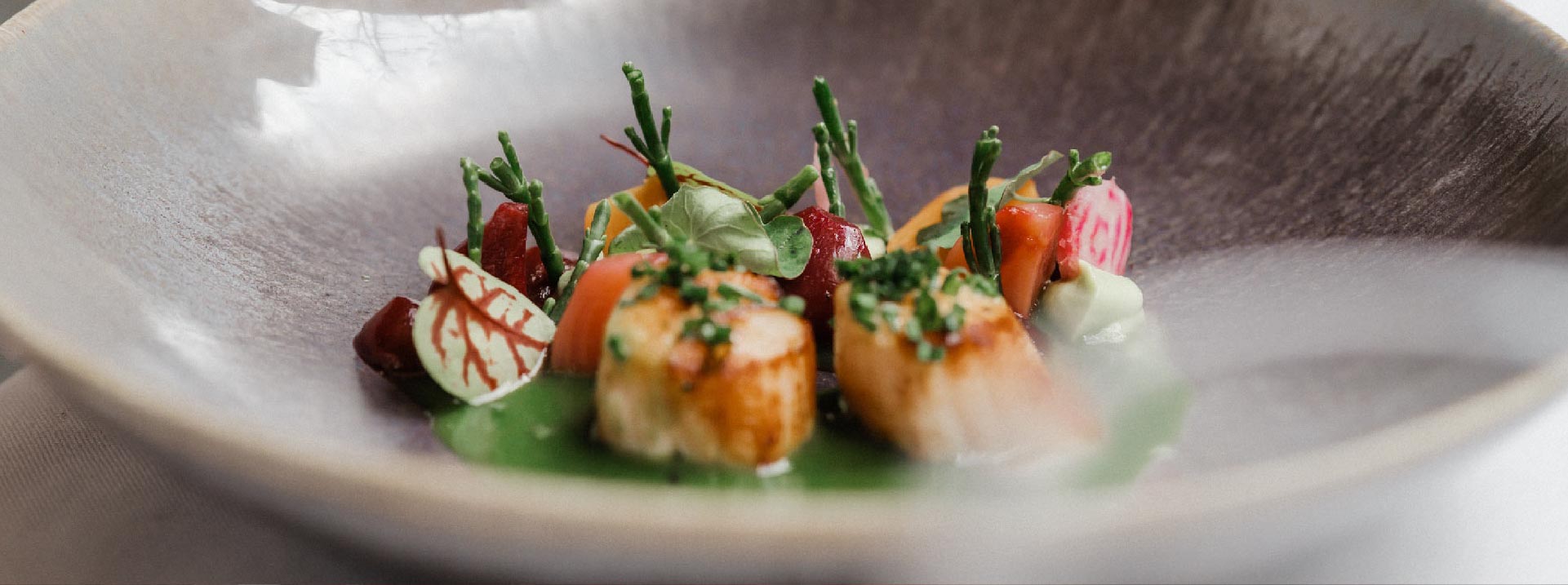
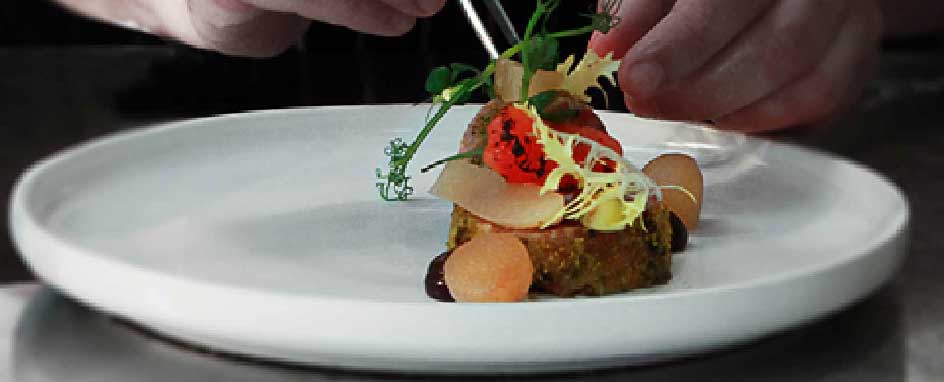
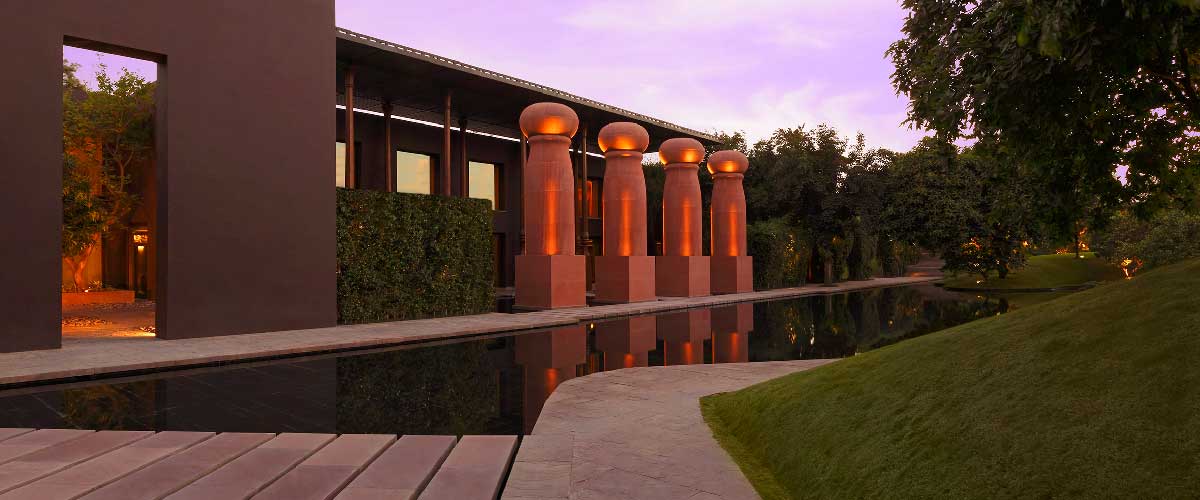
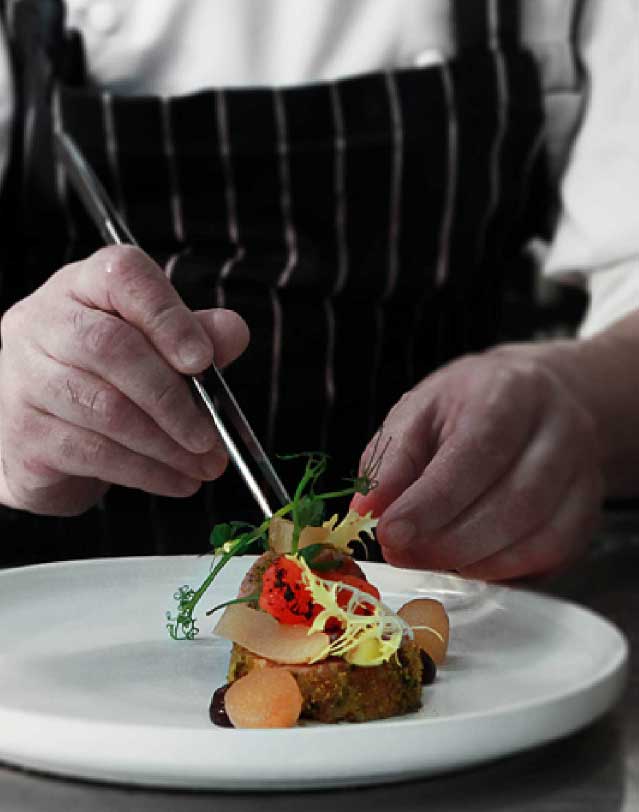
At The Roseate Reading, this philosophy is embedded naturally into the dining experience. The culinary team sources 95% of ingredients locally within the UK as part of its wider commitment towards sustainable dining and holistic wellbeing. Guided by the philosophy of SLOW- seasonal, local, organic, wholesome foods, the menus reflect a more grounded and thoughtful approach to contemporary British hospitality, ranking it amongst the top sustainable British restaurants prioritising locality and responsible sourcing.
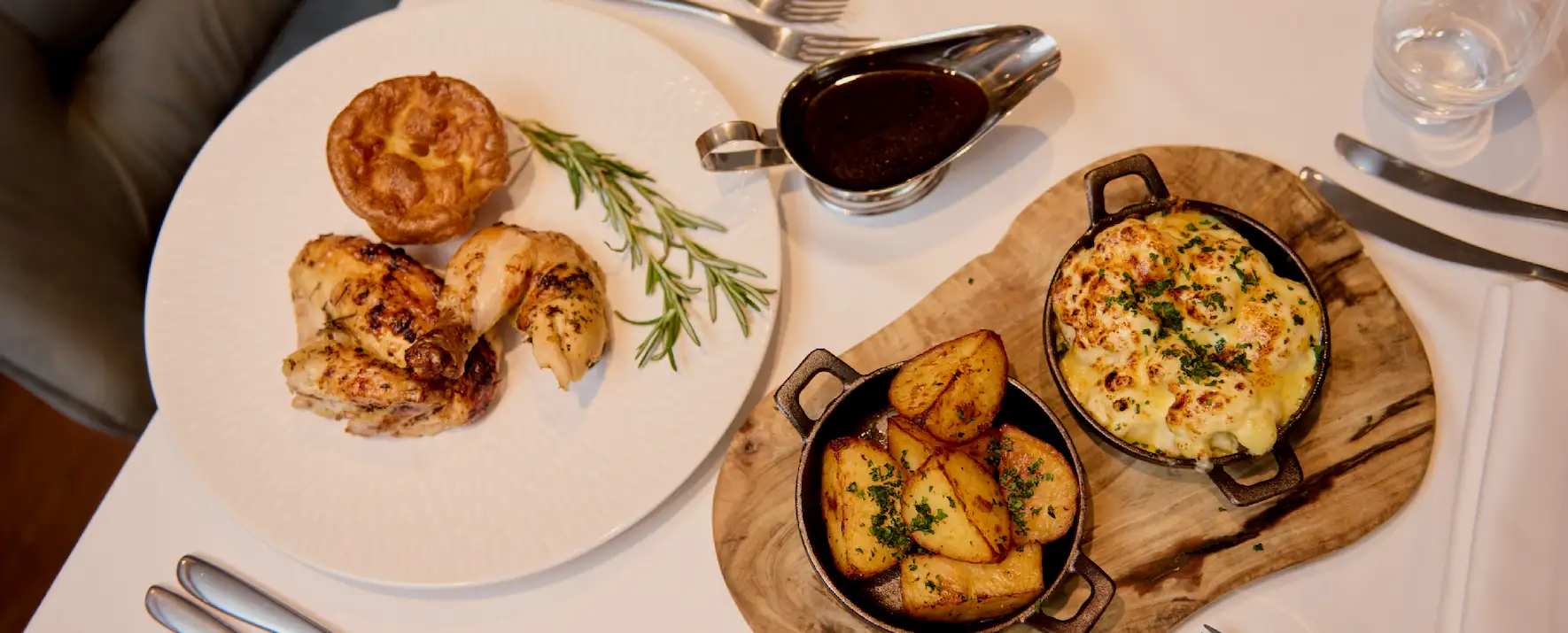
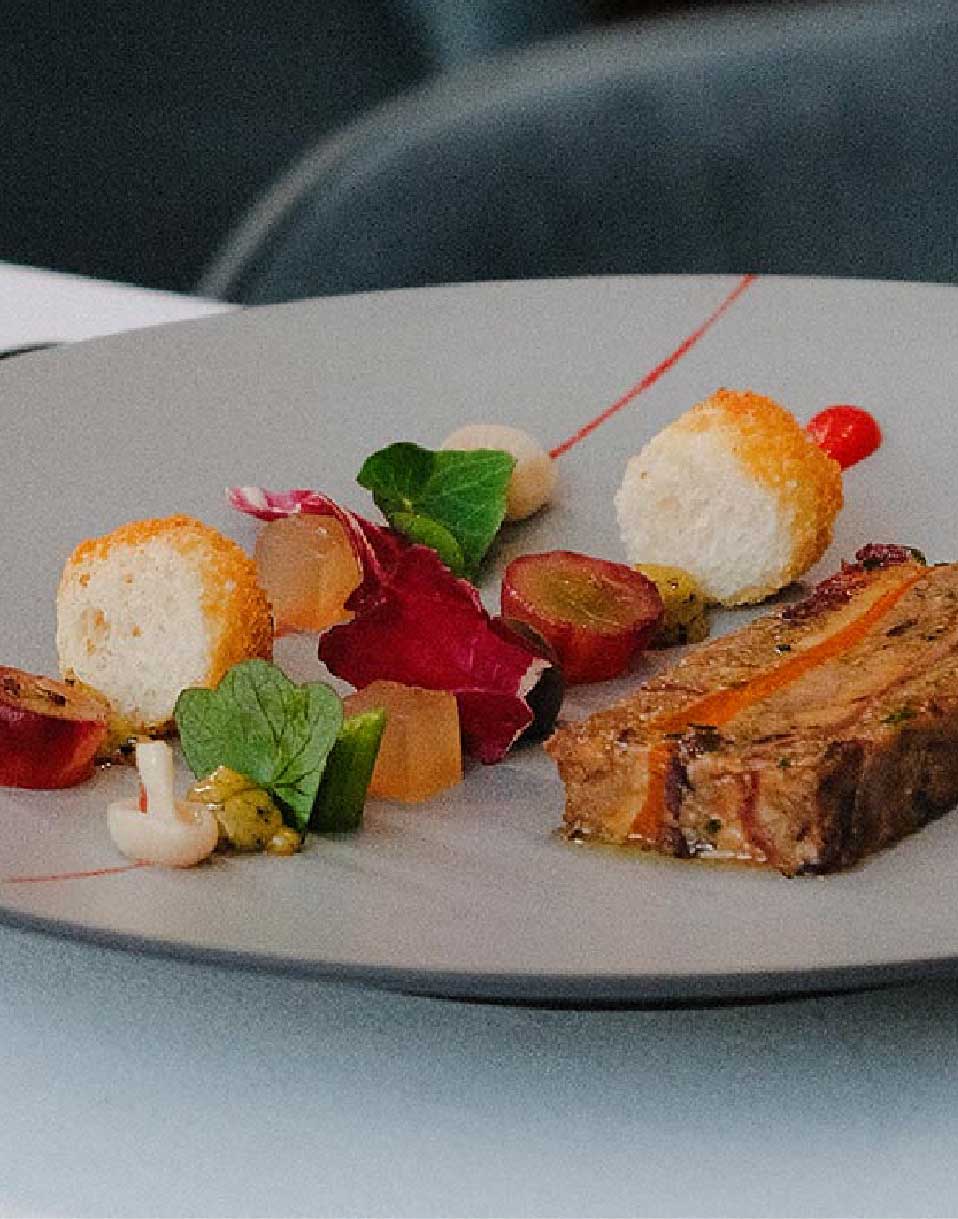
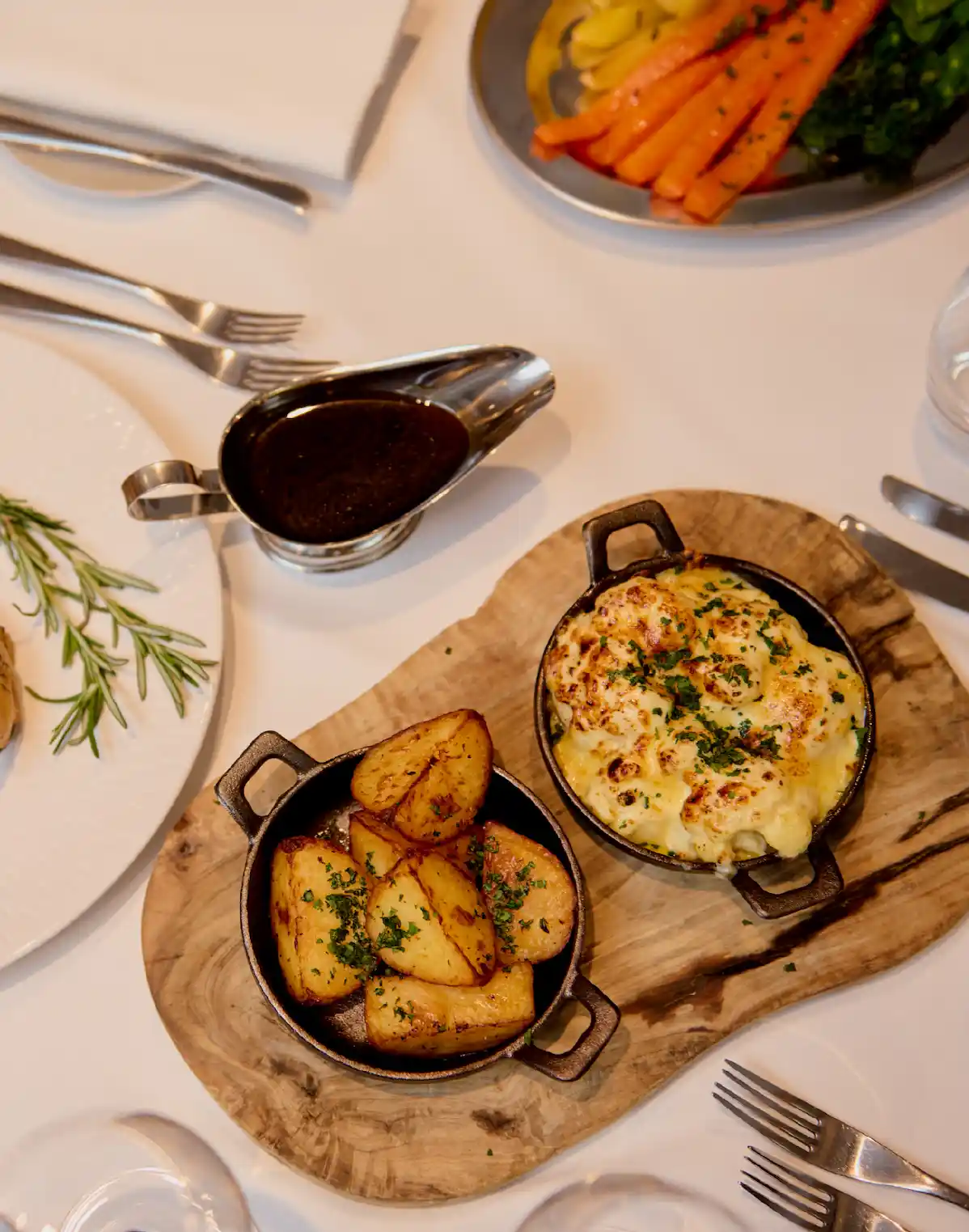
The Great British Sunday Roast menu itself feels rooted in this balance between heritage and seasonality. Herefordshire farm roast sirloin of beef arrives alongside honey roasted root vegetables, cauliflower cheese, Yorkshire pudding, and rosemary jus, celebrating the familiar comforts of the traditional roast while also quietly showcasing regional British produce.
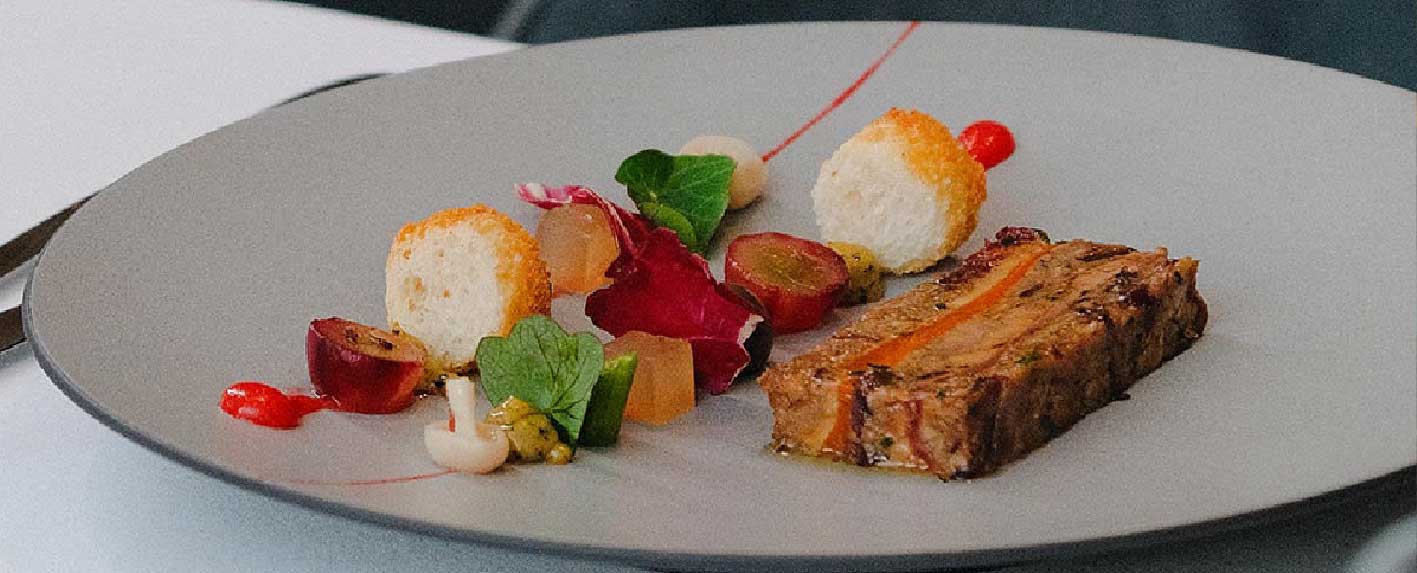
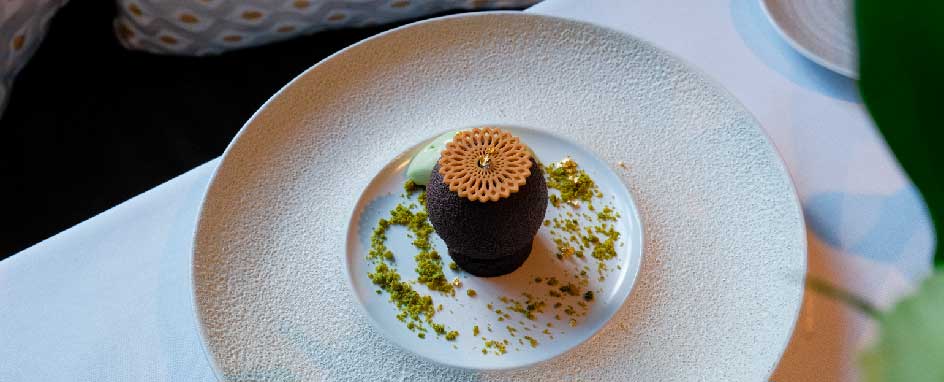
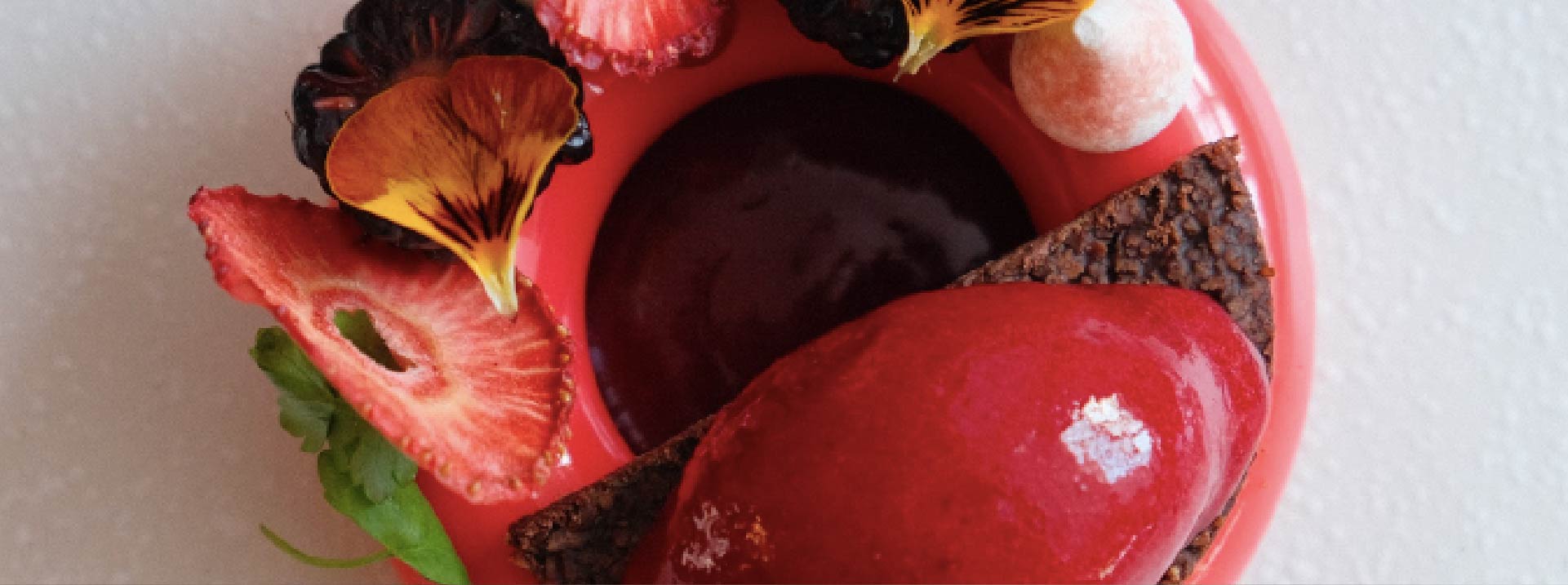
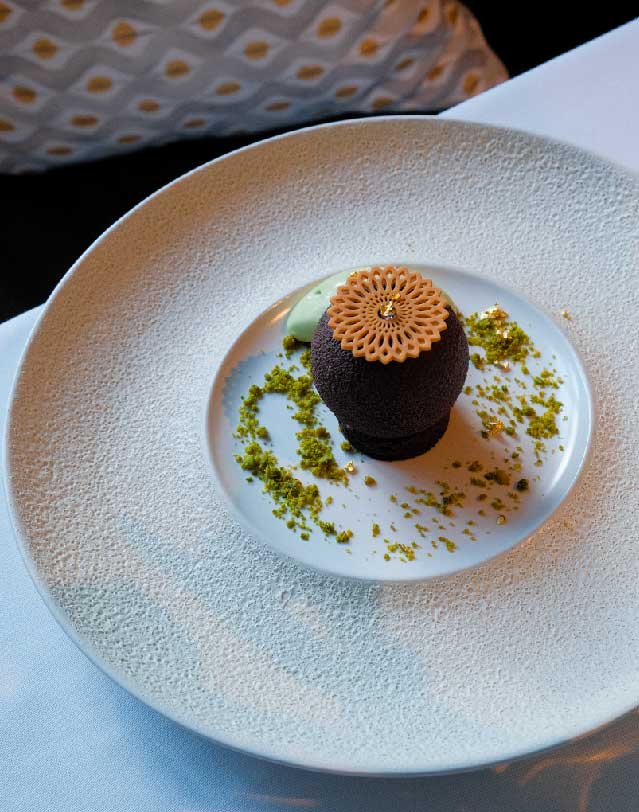
Elsewhere, Cornish sea bass paired with baby courgette and spring onion salsa offers a lighter seasonal interpretation, while the Mediterranean vegetable terrine reflects the growing importance of thoughtful vegetarian dining within modern hospitality. Even the structure of the menu reflects a certain respect for seasonality and slower dining. British cheese boards designed for sharing, comforting sticky toffee pudding with salted caramel ice cream, and produce-led dishes that allow ingredients to remain recognisable, contributing towards a meal that feels connected to place, season, and occasion.
The Sunday Roast Was Never Just About the Food
At its heart, the Sunday roast has always been more about gathering, encouraging it with large plates, side dishes passed around the table, the familiar debate over who gets the last roast potato and desserts ordered collectively after everyone initially insists they could not possibly eat another thing. It is therefore a ritual disguised as lunch.
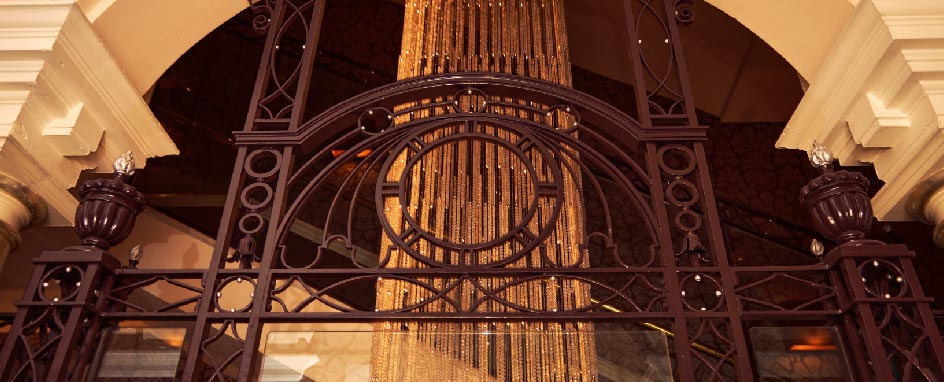
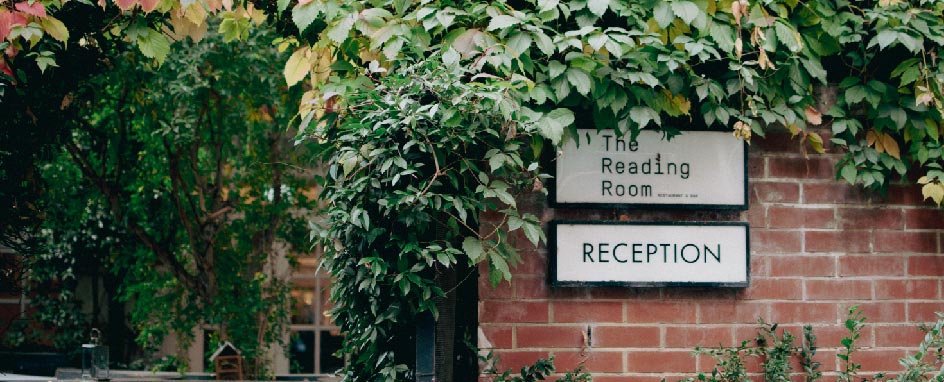
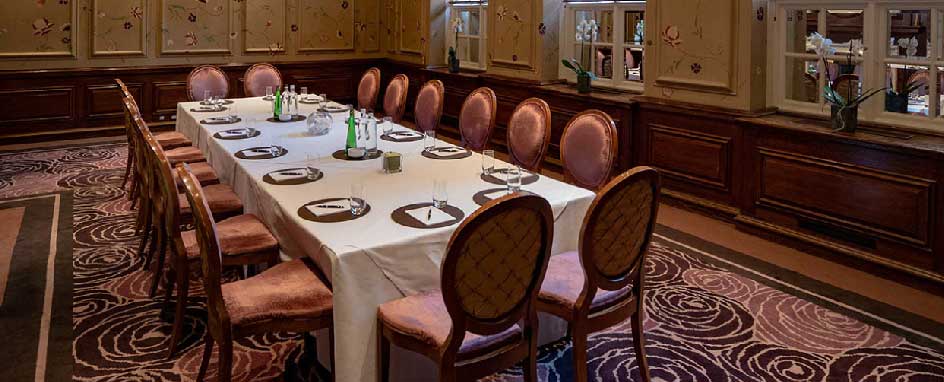
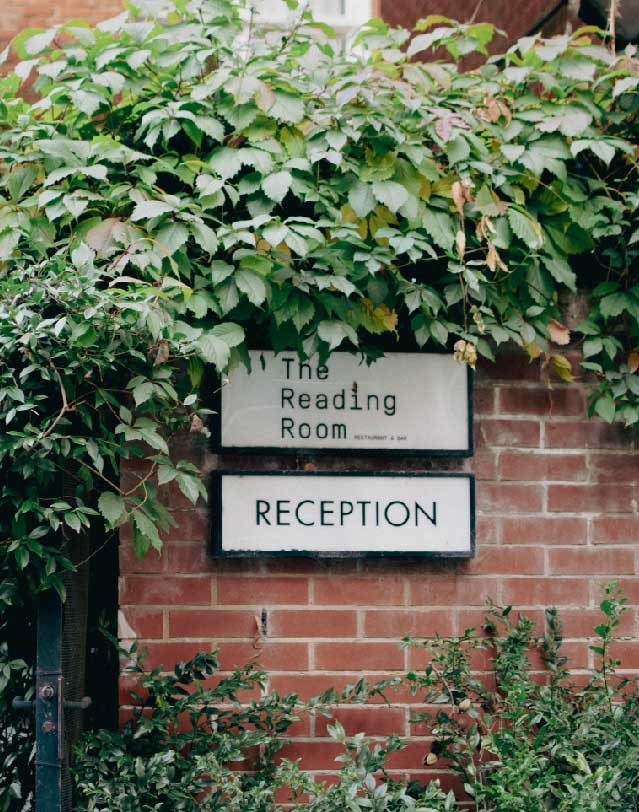
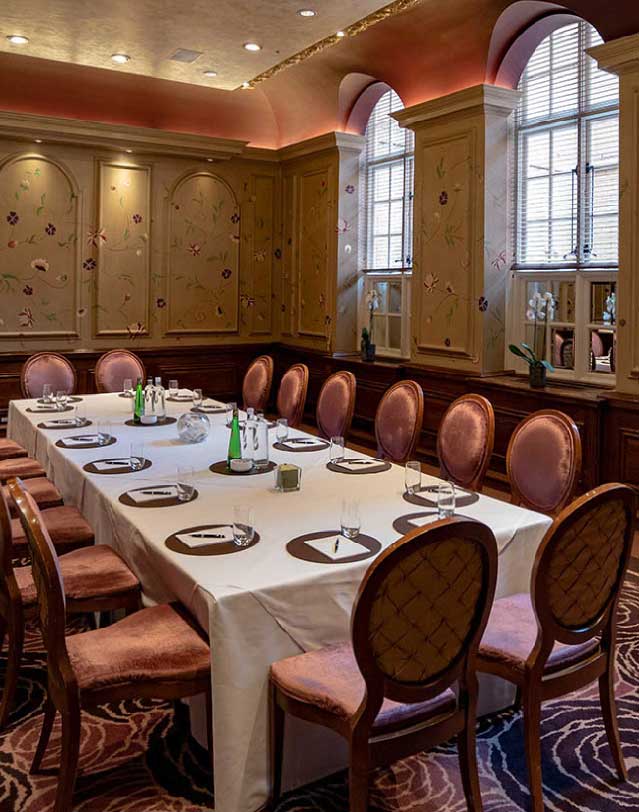
In many ways, the roast offers something quietly rare now- a dedicated space for unhurried conversation with phones remaining face-down slightly longer and lunch transitions almost imperceptibly into late afternoons. This atmosphere feels thoughtfully preserved at The Reading Room Restaurant & Bar, an award-winning dining destination designed around deeply sensorial, leisurely dining experiences and recognised among the notable 2 AA Rosette restaurants in Berkshire is known for.
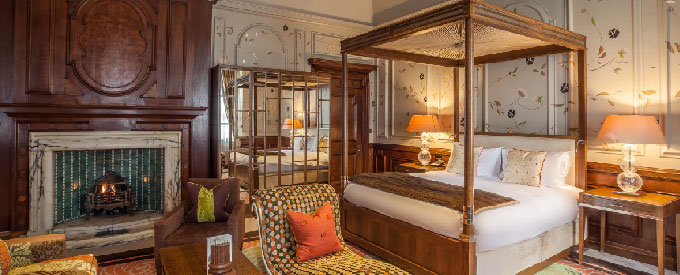
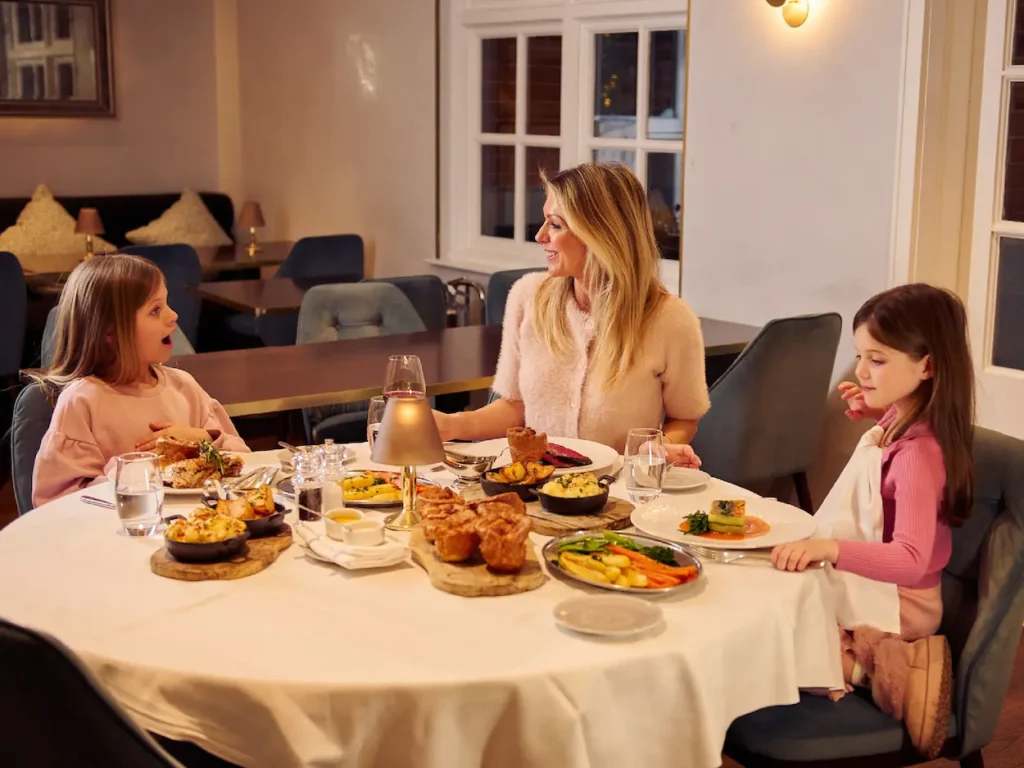
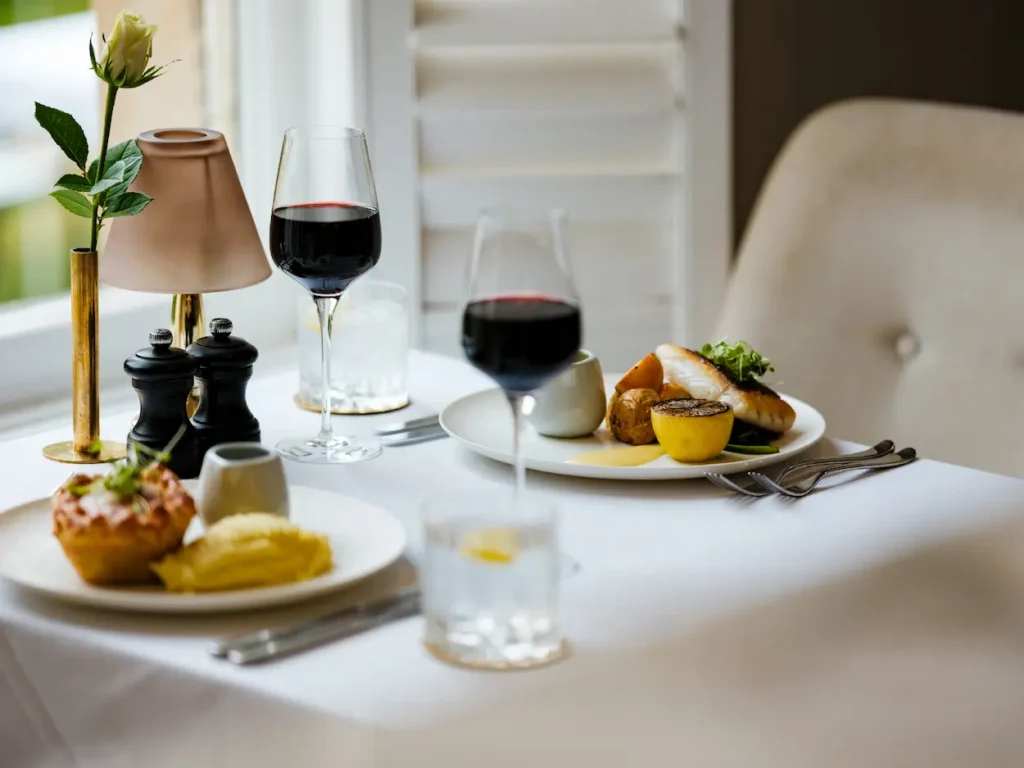
As families settle into long lunches while children move between board games, movies in the private cinema, and activities at the Mini-Chef’s Station, adults settle deeper into their seats, ordering another glass of wine without checking the time too carefully, the room hums gently with conversation, and polished glasses catch the afternoon light as courses arrive without hurry. The ambience feels refined, certainly, but never overly formal and instead captures something much more difficult to achieve in hospitality- ease.
Why Britain Still Builds Sundays Around the Roast
For all its history, the Sunday roast continues to feel remarkably relevant because the need behind it has not disappeared, and if anything, it seems to have intensified.
In an era shaped by overstimulation, fragmented schedules, and hurried dining, the Sunday roast still offers something surprisingly enduring- a reason to gather slowly, not for productivity, celebration, an occasion demanding it, but simply because setting aside intentional time together still matters.